Pros And Cons Of Vinyl Fencing You Need To Consider
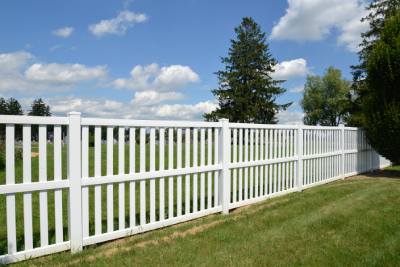
Selecting the right fence in Northern New Jersey requires weighing both aesthetics and practical considerations like durability and maintenance. Vinyl fencing offers a durable alternative to traditional wood, with low-maintenance qualities and long-lasting appeal. Understanding its advantages, limitations, and installation considerations can help homeowners make informed decisions.
Families with children, pets, or backyard pools benefit from fences that combine safety, functionality, and design. Knowledge of local rules and material characteristics makes sure that the final choice matches both lifestyle and property requirements.
Benefits of Vinyl Fencing
Vinyl fencing has grown in popularity due to its practical advantages. It is made from polyvinyl chloride (PVC), a synthetic material resistant to moisture, insects, and rot. Unlike wood fences, vinyl will not splinter or decay over time, making it safer for children and pets.
Cleaning and maintenance are straightforward. Occasional washing with water and mild soap removes dirt, algae, or mildew, restoring the fence’s appearance without sanding, staining, or painting. Vinyl is available in multiple styles, including picket, privacy, and ranch rail designs. Some textures mimic wood grain, allowing homeowners to achieve a traditional look without the upkeep challenges.
Cost-wise, vinyl may require a higher initial investment than wood or chain-link, but it often proves cost-effective over time due to low maintenance and reduced repair needs. Panels are durable and can withstand weather fluctuations typical in New Jersey, though extreme conditions may still cause warping in lower-quality products.
Homeowners seeking long-term reliability often choose vinyl for both front and backyard fencing. For tailored guidance on selecting materials and styles that comply with local codes, consulting a residential fence installer in New Jersey is a wise step.
Considerations and Limitations
While vinyl fencing offers many benefits, it is not without limitations. Extreme weather, such as severe heat, cold, or high winds, can sometimes warp or damage panels, especially if the material is thin or low-grade. Repairs are not as simple as with wood, as replacing a single board may require swapping an entire panel.
Color options are available but more limited than wood. Whites, tans, browns, and grays are standard, though some manufacturers offer bolder hues. Vinyl is a synthetic, non-biodegradable material, which may concern environmentally conscious homeowners.
Despite these considerations, the long-term durability, ease of cleaning, and safety features often outweigh the drawbacks for families who prioritize convenience and reliability.
Design Flexibility and Styles
Vinyl fencing accommodates a wide range of designs to fit residential needs. Privacy fences feature closely spaced slats to block sight lines, while picket fences offer decorative charm without restricting visibility. Vinyl can also incorporate accents like lattice tops, scalloped edges, or decorative post caps.
Height options typically range from 4 to 6 feet, though custom sizes are available. Homeowners with swimming pools may install taller sections to comply with safety requirements. Vinyl can be textured to resemble wood, stucco, or ornamental iron, making it versatile enough to complement diverse architectural styles in Northern New Jersey neighborhoods.
Planning gate placement and openings is also important. Proper alignment affects usability and can impact compliance with local regulations regarding setbacks or visibility.
Installation Considerations
Vinyl fencing can be installed as a DIY project in some cases. Short picket fences with interlocking panels are easier to manage, but taller privacy fences require careful preparation, including digging post holes and securing posts with concrete. Attempting installation in frozen or wet ground can compromise stability and longevity.
Because of these challenges, professional installation is often recommended. Experienced contractors handle heavy panels, confirm level and alignment, and comply with local codes, reducing risk of post shifting or improper installation. Proper installation also promotes durability against New Jersey weather conditions.
Obtaining any required permits before installation is a necessary step, particularly for larger projects or fences near property lines. Professionals can guide homeowners through the permit process efficiently.
Maintenance Tips for Vinyl Fences
Vinyl fences require minimal upkeep, but some basic maintenance helps preserve their appearance:
- Regular Cleaning
Hose down vinyl fence surfaces every few weeks to remove dirt and debris. For areas with algae, mold, or mildew, scrub gently using mild soap and water. Avoid abrasive tools that could scratch the surface. Consistent cleaning not only keeps the fence visually appealing but also prevents buildup that can cause discoloration or long-term staining. Regular attention makes sure that your fence retains its original look for years.
- Inspect for Damage
After storms, strong winds, or extreme weather, carefully examine all panels and posts for warping, cracking, or loose connections. Small issues caught early can be addressed before they require costly repairs. Inspecting regularly helps maintain structural integrity, safety for children and pets, and overall fence longevity. Keep a simple checklist to track maintenance and spot recurring problems that may indicate deeper issues.
- Secure Gates and Hardware
Check all gate latches, hinges, and fasteners periodically. Over time, normal use, weather, or soil movement can cause sagging or misalignment. Adjust hardware as needed to maintain proper operation and security. Well-functioning gates enhance usability and prevent stress on fence panels, which helps avoid long-term damage. Proper maintenance makes sure that the entire fence structure remains sturdy and performs as intended.
- Trim Nearby Vegetation
Plants, bushes, and tree branches growing too close to your fence can cause scratches, stains, or moisture retention. Maintain at least a few inches of clearance around all fence sides. Regular trimming reduces contact with leaves and branches, preventing mildew buildup and damage from rubbing or debris accumulation. This small step preserves both appearance and structural integrity, particularly in areas prone to heavy growth.
- Avoid Pressure Washing
High-pressure washing can damage vinyl fences by causing small cracks or forcing water into seams. Stick to gentle hosing and soft scrubbing with mild soap when cleaning. Over time, avoiding pressure washing prevents potential warping, surface scratches, or loss of texture, keeping your fence looking new. This method is safer for textured vinyl surfaces designed to mimic wood or ornamental finishes.
- Address Minor Stains Promptly
Spills, fertilizer, or other chemical stains should be removed as soon as possible. Wipe or scrub the affected area with mild soap and water to prevent permanent discoloration. Prompt attention helps maintain consistent color across the fence panels, especially on lighter-colored vinyl. Quick response minimizes damage from stubborn stains and reduces the need for extensive cleaning or panel replacement in the future.
Following these simple steps can keep vinyl fences looking new for decades without the need for painting, staining, or extensive repairs.
Is Vinyl Fencing Right for Your Home?
Vinyl fencing works best for homeowners seeking a durable, low-maintenance, and visually appealing solution. Families with children, pets, or pools often benefit from its splinter-free surface and strong panels. Budget-conscious homeowners may weigh the higher initial cost against long-term savings in maintenance and repair. Homeowners in areas with moderate climates generally experience the best results, while regions prone to extreme temperature swings may require thicker, higher-quality vinyl to maintain stability.
Collaboration with a skilled fence installer can share tailored advice on material selection, style, and height while complying with local regulations. This approach makes sure that the fence meets functional needs without compromising design or neighborhood harmony.
Transform Your Property with Expert Vinyl Fence Installation
Vinyl fencing combines durability, low maintenance, and versatile design for Northern New Jersey homeowners. Understanding its advantages and limitations allows families to choose a solution that suits both lifestyle and property requirements.
At Virtue Fence Company, we guide homeowners through every step of selecting and installing vinyl fencing. Our team makes sure that each project aligns with local codes, complements property aesthetics, and delivers long-lasting performance.
Explore our residential fencing in Northern New Jersey to begin your project with confidence and peace of mind.